
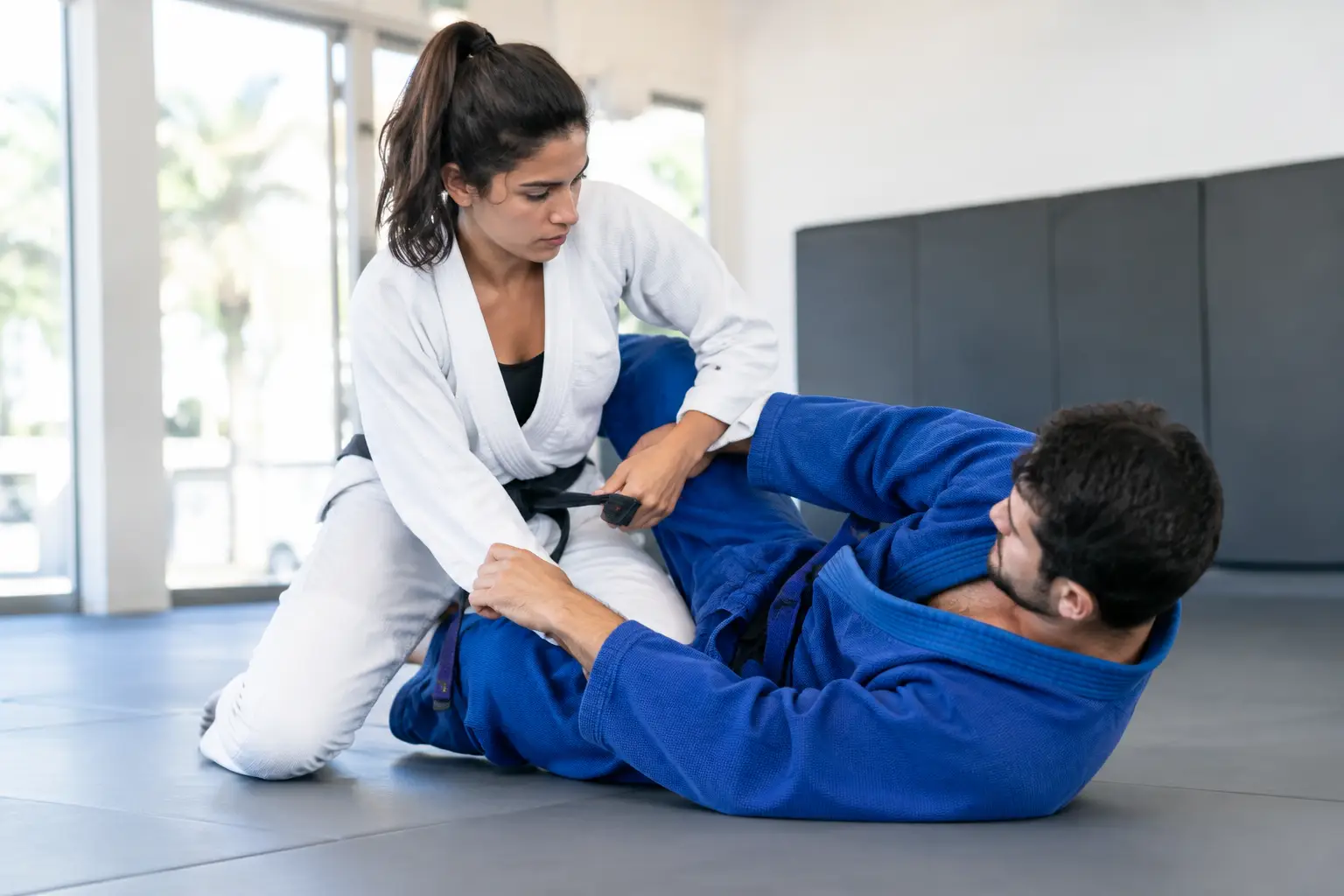
A crowded class can teach you a great deal, but sometimes one correction changes everything. Your grip is one inch too high. Your base is too narrow. You understand the move, yet it falls apart when someone resists. Private Jiu-Jitsu lessons Miami students choose are built for those moments: focused coaching that turns effort into clear, repeatable progress.
For a beginner, private training can remove the uncertainty that keeps people from starting. For a busy professional, it can make limited training time count. For a parent, it can give a child calm, patient attention as they develop confidence. And for a competitor, it can be the difference between knowing techniques and applying them under pressure.
Why Private Jiu-Jitsu Lessons in Miami Work
Brazilian Jiu-Jitsu is a problem-solving martial art. Every position asks a question: How do you protect yourself? How do you escape? How do you control space, create leverage, and make a smart decision while another person is trying to stop you?
In a group class, instructors must guide the room as a whole. That format is valuable because students learn with training partners, experience different body types, and become part of a disciplined team. Private instruction adds something different: the lesson can be organized around your exact needs.
If you are new, your coach may spend time on stance, safe falling, posture, movement, and how to train without panic. If you have previous experience, the focus may shift to guard retention, passing sequences, takedown entries, submissions, or the details that make your best positions more reliable. You are not rushed through material because the class has moved on. You work on what will move you forward now.
That does not mean private lessons are only for advanced athletes. In fact, many adults find one-on-one coaching especially useful at the start. Asking questions feels easier. The pace is controlled. You can learn the academy’s expectations before stepping into a larger class with more confidence.
Who Benefits Most From One-on-One Coaching?
Private training is not a shortcut around consistent practice. Progress still comes from showing up, drilling with purpose, and learning how to stay composed when a round gets difficult. But it is a powerful way to make those hours more productive.
Adults who are returning to fitness often benefit because training can be adjusted to their current mobility, conditioning, and comfort level. A former athlete may be ready to move quickly but need guidance on Jiu-Jitsu-specific habits. Someone starting in their 40s or 50s may need a thoughtful introduction that builds confidence without treating every session like a test.
Children can benefit for different reasons. Some kids thrive immediately in a group setting. Others need a quieter place to understand directions, build coordination, or get comfortable with close-contact training. A private lesson can reinforce skills such as listening, balance, controlled movement, and responding calmly when a situation feels challenging. It should always support the child’s long-term development, not create pressure to perform.
Competitors use private sessions to sharpen a game plan. That may mean preparing for an opponent’s style, cleaning up scoring positions, strengthening transitions, or reviewing what happened in a recent match. At this level, details matter: hand placement, hip angle, timing, and the ability to recognize a reaction before it becomes a problem.
What a Private Session Should Feel Like
A quality private lesson should feel structured, challenging, and safe. You should not simply be shown a collection of flashy moves. Strong coaching begins with an honest assessment of where you are and where you want to go.
A first session may include a conversation about your experience, injuries, goals, schedule, and concerns. Maybe your priority is practical self-defense. Maybe you want to feel more capable before joining adult Gi or No-Gi classes. Maybe you have a tournament date on the calendar. Those answers shape the training plan.
From there, the coach will usually work through a small number of techniques or positions rather than overload you with information. You might drill an escape, identify the common mistake that causes it to fail, then repeat it with increasing resistance. The goal is not to collect moves. The goal is to understand the position well enough to use it.
Expect correction, but do not confuse correction with criticism. The right coach is direct because precision matters. At the same time, the lesson should leave you encouraged. Each adjustment is evidence that someone is paying close attention to your development.
Private Coaching and Group Classes: The Best Combination
The strongest training plan for many students combines private instruction with regular group classes. Private lessons create focus. Group training gives you repetition, varied partners, live practice, and the accountability that comes from being part of a team.
For example, a beginner might take several private lessons to learn foundational positions and feel comfortable with the academy environment, then attend group classes consistently. A more experienced student might train with the group throughout the week and schedule a private session once or twice a month to address a specific weakness.
It depends on your goal, schedule, and budget. If you can only train once a week, a private session may provide highly efficient coaching, but your exposure to live rounds and different partners will be limited. If you attend group classes often but feel stuck, private coaching can help you identify the technical gap that is holding you back.
There is no benefit in comparing your path to someone else’s. A parent managing work and family, a beginner building a new habit, and an athlete preparing for competition each need a plan that fits real life. Consistency beats intensity that cannot be sustained.
Choosing Private Jiu-Jitsu Lessons Miami Students Can Trust
The instructor matters as much as the format. Look for a coach who can explain why a technique works, not only demonstrate what it looks like. Elite competitive experience is meaningful, but teaching ability matters too. A great coach can meet a first-time student at their level while still challenging an experienced practitioner to improve.
The environment matters as well. You should train in a clean, professional academy where safety, respect, and controlled practice are part of the culture. Jiu-Jitsu asks people to trust one another with physically demanding positions. That trust is built through clear rules, attentive supervision, and partners who understand that progress does not require recklessness.
At Winners Jiu-Jitsu Academy, private coaching is guided by the same championship standard used to develop students from their first class through high-level competition. Under the leadership of two-time World Champion Jonatas Gurgel, students receive technical instruction that respects individual goals while building the discipline, composure, and resilience that carry beyond the mat.
Questions to Ask Before Your First Lesson
Before booking, be clear about what you want from the experience. You do not need a perfect answer, but a simple goal gives your coach a useful starting point. Are you looking for self-defense skills? Better fitness? Help overcoming anxiety about group classes? Technical preparation for competition?
Also ask how the academy handles beginners, injuries, and progression into group training. If you are considering lessons for your child, ask how instruction is adapted for their age and temperament. The right answer should feel specific and reassuring, not like a promise that everyone will progress in exactly the same way.
Wear comfortable athletic clothing unless the academy gives different guidance, arrive ready to learn, and leave your ego at the door. Jiu-Jitsu rewards humility. Every student, including the most experienced competitor, has something to improve.
Private coaching is an investment in more than a technique. It is dedicated time to become steadier under pressure, more confident in your body, and more prepared to face difficult moments with discipline. Start with a clear goal, train with purpose, and let each lesson give you one more reason to believe in what consistent effort can build.