
Are You Too Old to Start BJJ? Starting Jiu-Jitsu at 30, 40 or 50+
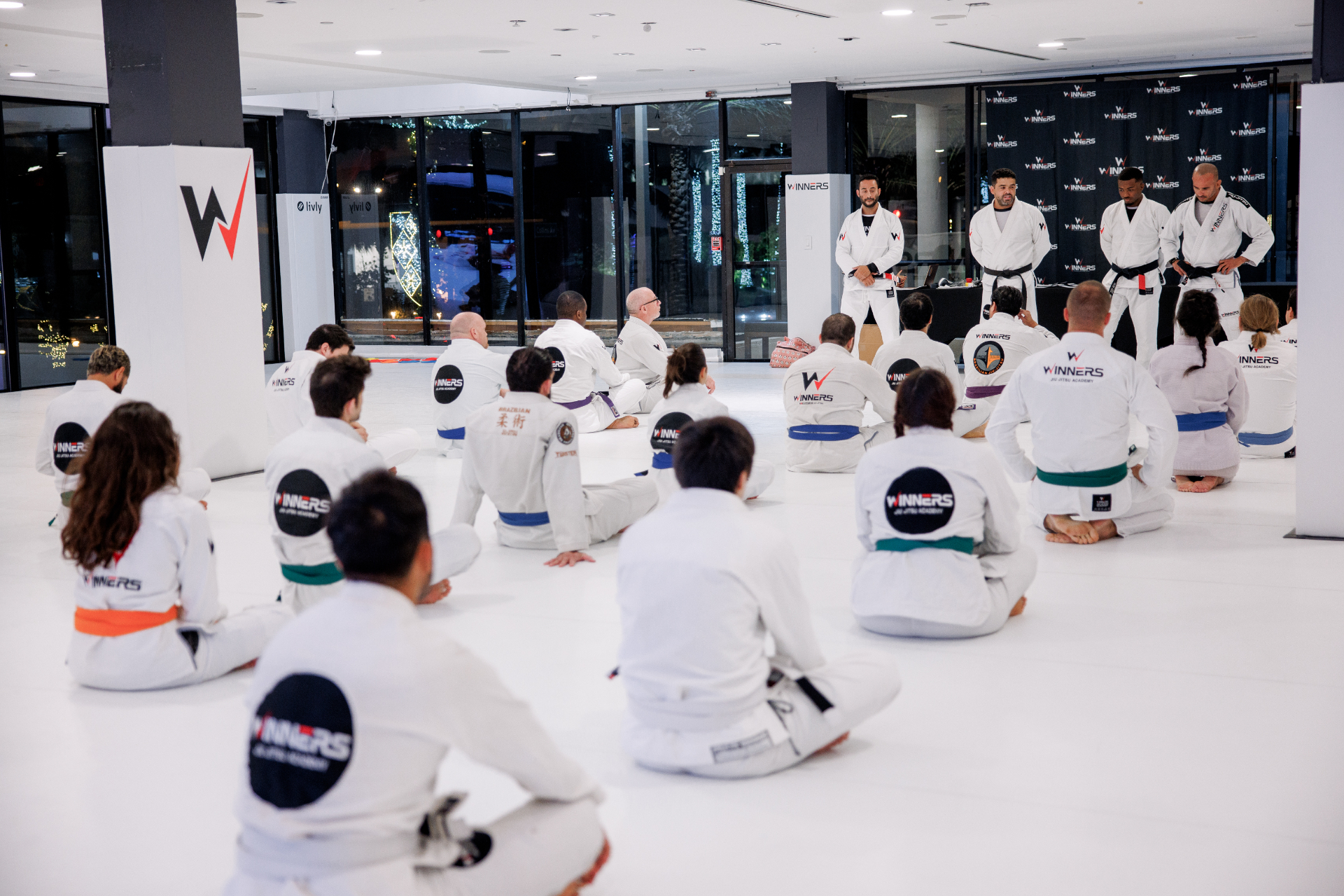
One of the biggest barriers keeping adults away from Brazilian Jiu-Jitsu has nothing to do with learning technique.
It is the idea that they waited too long.
People reach their thirties and start thinking martial arts are something they should have begun at 18.
At 40, they picture a room full of college athletes.
At 50, the question often changes from "Should I start?" to "Can I even start?"
Adults begin Brazilian Jiu-Jitsu at many different stages of life.
The important question is not whether you started later than someone else.
It is how you approach training now.
Can You Start BJJ at 30?
Yes.
Thirty is not unusual for beginning Brazilian Jiu-Jitsu.
Many adults discover BJJ only after building a career, starting a family or spending years doing traditional gym workouts.
The advantage of starting as an adult is that your expectations can be different.
You do not need to become a professional athlete.
You can train because you enjoy learning, want an active hobby, want to improve your fitness or simply want something challenging outside work.
Can You Start BJJ at 40?
Starting at 40 may require you to pay more attention to recovery and training intensity than someone much younger.
That does not prevent you from learning.
BJJ is a technical martial art.
A large part of progress comes from understanding positioning, timing, leverage and decision-making.
Trying to overpower every partner is rarely a good long-term strategy at any age.
For an adult beginner, learning to train efficiently becomes especially important.
What About Starting BJJ After 50?
Age alone does not tell the complete story.
Two 50-year-olds can have completely different activity levels, injury histories and physical conditions.
That is why the goal should be to train according to your body rather than comparing yourself with someone else.
If you have health concerns, a long period of inactivity or previous injuries, speak with a qualified healthcare professional before beginning a demanding new physical activity.
Once you start, communicate with your instructor.
A good coach would rather understand your limitations than discover them after something hurts.
Do Older Beginners Need to Get Fit First?
You do not need to become a BJJ athlete before attending a beginner BJJ class.
Training itself develops familiarity with grappling.
Your first sessions may feel tiring because everything is new.
You may hold your breath without realizing it.
You may use too much strength.
You may tense your entire body while trying to solve a position.
As your technique improves, you begin learning where effort is actually necessary.
That process is part of becoming more efficient.
The Biggest Mistake Is Trying to Train Like Everyone Else
A new student often looks across the mat and sees someone younger training five or six days per week.
That does not mean you need the same schedule.
If two classes per week fit your life and allow you to train consistently, start there.
If three works better, use three.
The goal is not winning your first month of BJJ.
The goal is still being excited to train months and years from now.
Read our guide on how often beginners should train BJJ for a more detailed approach to building your schedule.
Choose Your Training Partners Carefully
Good training partners matter.
A useful partner does not turn every round into a competition.
They understand control.
They respect tapping.
They can adjust intensity.
That matters for every student, but it becomes even more important when longevity is a priority.
Over time, you will learn which teammates match the pace you want on a particular day.
Tap Earlier Than Your Ego Wants To
Tapping is part of Brazilian Jiu-Jitsu.
You do not receive extra points in practice for waiting until the last possible second.
If you are caught, tap.
Reset.
Learn why it happened.
Continue training.
That mindset can help beginners avoid turning normal practice into unnecessary battles.
Do You Have to Compete?
No.
Brazilian Jiu-Jitsu competition is optional.
Many adults train their entire lives without entering a tournament.
Others discover competition after spending time on the mat.
Your reason for training is your own.
You can train for fitness.
You can train because you like learning technique.
You can train for self-defense.
You can train because BJJ is the hour of the day when you stop thinking about work.
You do not need a medal to make the training worthwhile.
What Should an Older Beginner Look for in a BJJ Academy?
Look beyond trophies.
A strong competition history can be impressive, but your daily training environment matters too.
Watch how beginners are treated.
Ask whether there is a structured beginner program.
Pay attention to whether instructors can explain techniques clearly.
Look at the range of students already training.
Most importantly, find an academy where you feel comfortable returning.
Consistency becomes much easier when you actually enjoy the environment.
Adult Brazilian Jiu-Jitsu at Winners
Winners Jiu-Jitsu Academy offers adult Brazilian Jiu-Jitsu for beginners through advanced practitioners.
Our beginner program uses a structured curriculum to help new students build a technical foundation before progressing into more complex training.
You can learn more about our Adult Jiu-Jitsu classes or view the weekly schedule.
We are located at 17100 Collins Ave, Suite 201, Sunny Isles Beach, FL 33160, serving students from Sunny Isles Beach, Aventura, North Miami Beach, Bal Harbour and nearby South Florida communities.
If you have spent months asking whether you waited too long, there is a simple way to find out what BJJ actually feels like.
Your first day does not need to look impressive.
It just needs to happen.