
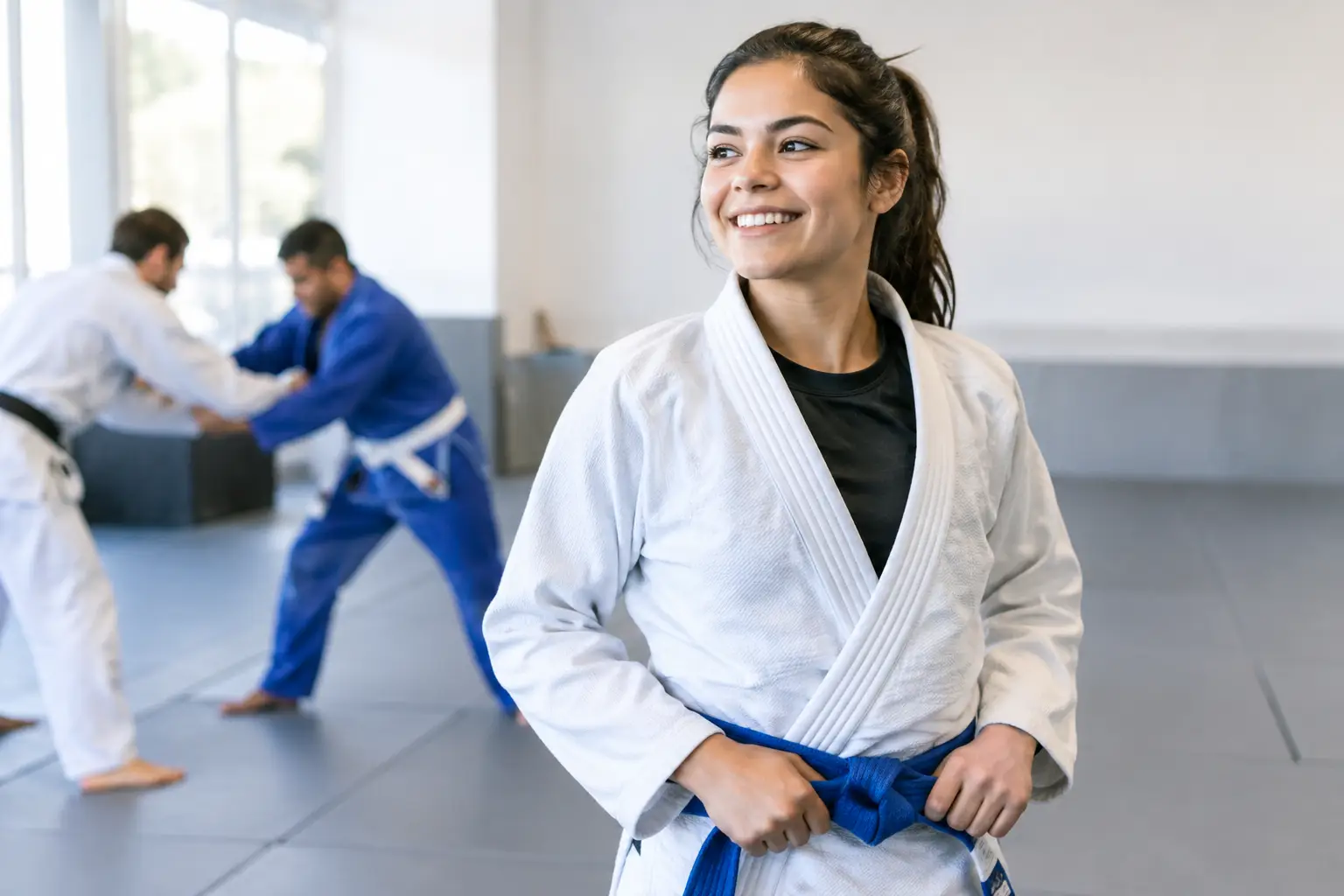
The hardest part of starting Jiu-Jitsu classes is usually not the workout. It is walking through the door when you do not know the positions, do not own a Gi, and are unsure whether you will fit in. That uncertainty is normal. A well-run academy turns it into progress quickly by giving every beginner a clear starting point, patient coaching, and a training environment where effort matters more than experience.
Brazilian Jiu-Jitsu is a practical martial art built around leverage, control, timing, and problem-solving. On the mat, students learn how to stay composed in uncomfortable positions, make smart decisions under pressure, and improve one small detail at a time. Those habits carry far beyond training. They build confidence that is earned, not performed.
What Great Jiu-Jitsu Classes Should Teach
A strong class does more than make students sweat. Conditioning is part of the experience, but technical instruction should lead every session. Students need to understand why a movement works, when to use it, and how to practice it safely with a partner.
For beginners, that usually means learning fundamental positions such as guard, mount, side control, and back control. From there, students begin connecting escapes, sweeps, takedowns, submissions, and defenses. The goal is not to memorize a long list of moves in the first month. It is to develop body awareness and reliable reactions while building a foundation that holds up as training becomes more advanced.
Good coaching also creates the right pace. Some students want a challenging fitness outlet after work. Others are training for self-defense, competition, or a healthier routine they can maintain for years. The best instruction meets students where they are while still asking them to improve. You should feel challenged, never thrown into the deep end without direction.
Starting as an Adult Without Experience
Adults often wait because they believe everyone else in class will be younger, stronger, or far more athletic. In reality, Brazilian Jiu-Jitsu is designed to reward technique over brute force. Strength can help, but posture, leverage, timing, and calm decision-making often matter more.
Your first class will generally include a warm-up, a technical lesson, partner drills, and supervised live practice or positional training. New students are not expected to spar at full intensity on day one. A responsible instructor will show you how to tap, how to protect your training partner, and how to communicate if something feels unfamiliar.
What to Wear and Bring
If you are trying a Gi class for the first time, the academy may provide or recommend a Gi. For No-Gi, athletic clothing that fits close to the body is usually appropriate. Bring water, arrive a few minutes early, and keep your fingernails and toenails trimmed. The small details support a clean, respectful training environment.
Do not worry about knowing the terminology before you arrive. You will pick it up through repetition. The only requirement is a willingness to listen, move, and learn.
How Often Should Adults Train?
Two classes per week is an excellent starting rhythm for most adults. It gives your body time to adapt while creating enough consistency to retain what you learn. Training three or more times per week can speed up progress, especially for students with competitive goals, but recovery still matters.
The right schedule depends on your work demands, family responsibilities, sleep, and current fitness level. Consistency beats intensity that lasts only two weeks. A sustainable routine can improve cardio, mobility, strength, stress management, and confidence without taking over your life.
Jiu-Jitsu Classes for Kids Build More Than Athletic Skill
For children, Jiu-Jitsu is structured practice in listening, perseverance, respect, and self-control. A child may arrive focused on learning cool moves, but the deeper benefits develop through the routine: lining up, following instructions, working with teammates, trying again after mistakes, and earning progress over time.
Age-specific classes matter. A 3-year-old needs a different learning environment than a 10-year-old. Younger children benefit from movement games, simple coordination drills, and short, encouraging instruction. As kids grow, they can take on more technical sequences, controlled sparring, personal accountability, and leadership within the class.
Jiu-Jitsu can also give children practical anti-bullying tools. The purpose is not to encourage fighting. It is to help a child develop awareness, confidence, verbal boundaries, and the ability to protect themselves if they cannot walk away. A calm, capable child is often less likely to be targeted and better prepared to respond appropriately under pressure.
Parents should look for an academy that combines clear standards with positive coaching. Kids need encouragement, but they also benefit from learning that focus and effort are expected. When instructors create that balance, children leave class proud of what they accomplished and ready to carry that discipline into school, friendships, and home life.
Gi, No-Gi, Private Lessons, and Competition
There is no single version of Jiu-Jitsu that fits every goal. Gi training uses the traditional uniform and teaches grips, control, patience, and detailed positional strategy. No-Gi training is faster paced and emphasizes movement, underhooks, wrestling connections, and control without cloth grips. Both develop valuable skills, and many students enjoy training in both formats.
Private lessons can be useful when you want focused attention on a particular goal. A beginner may use private coaching to feel comfortable with foundational positions before joining more group sessions. An experienced student may want help refining a competition game plan, improving a weak position, or preparing for a belt test. Group classes remain essential because Jiu-Jitsu is learned with many body types, styles, and training partners, but private instruction can accelerate specific areas.
Competition is another choice, not a requirement. Tournaments can provide a powerful goal and reveal areas to improve, yet plenty of students train for fitness, confidence, and community without ever competing. The important thing is to choose an academy that respects both paths while offering serious coaching for athletes who want to test themselves.
Why Coaching Quality Changes Everything
A safe, organized room allows students to train with purpose. Instructors should explain techniques clearly, correct details before bad habits become permanent, and maintain a culture where partners look after one another. Hard training and smart training belong together.
At Winners Jiu-Jitsu Academy, students train under the guidance of two-time World Champion Jonatas Gurgel and a team committed to developing beginners, families, and serious competitors. Elite credentials matter because they bring proven technical knowledge to the mat. What matters just as much is the ability to teach that knowledge in a way that helps a first-time student feel capable on day one.
A quality academy does not measure success only by medals, although championships are meaningful. It also measures success when an adult gains the confidence to handle pressure at work, when a child speaks up with more self-respect, or when a student returns after a difficult class because they learned they can do hard things.
How to Choose the Right Academy
Before committing, watch how the room feels. Is it clean and organized? Are beginners receiving guidance? Do higher belts train with control and respect? Are children supervised closely? The answers tell you more than a schedule or a social media highlight reel.
Ask whether classes are organized by age, experience, and goals. A beginner needs enough individual attention to build confidence, while an advanced practitioner needs training partners and coaching that continue to raise the standard. Families also benefit from a schedule that makes training realistic rather than stressful.
Finally, pay attention to how you feel after your first visit. You should leave challenged and energized, not embarrassed or overlooked. The right academy will hold you to a high standard while making it clear that progress is available to anyone willing to show up consistently.
Your first class does not need to be perfect. It only needs to be the moment you decide that confidence, discipline, and resilience are skills worth training.