
How Often Should You Train BJJ as a Beginner?
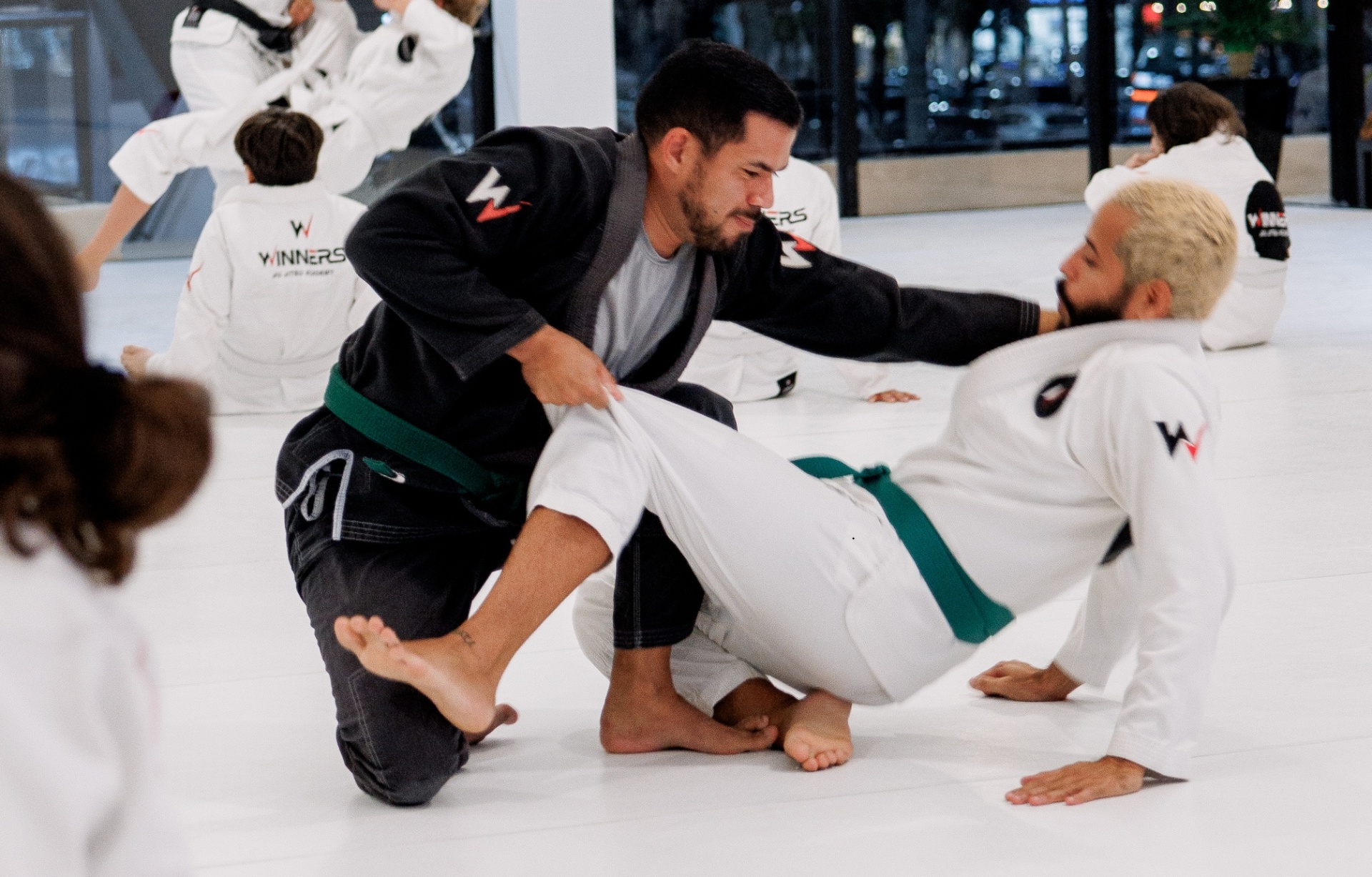
One of the first decisions a new Brazilian Jiu-Jitsu student faces has nothing to do with submissions or guard passes.
It is figuring out how often to train.
Train too little and every class can feel like you are starting over.
Try to do everything immediately and you may turn a new hobby into something that feels impossible to maintain.
The right training frequency is the one that lets you learn consistently while fitting BJJ into the rest of your life.
Is Two BJJ Classes Per Week Enough?
For many beginners, two classes per week can be a solid starting schedule.
You are training regularly enough to revisit positions and movements while still having several days available for work, family and recovery.
The most important word is consistency.
Two classes every week for six months are generally more useful than training constantly for two weeks and then disappearing for a month.
Brazilian Jiu-Jitsu rewards accumulated practice.
What About Three Times Per Week?
Three weekly sessions are a common next step for students who want more mat time.
With three classes, there is less time between repetitions.
A movement from Monday may appear again in your training on Wednesday. Something you struggled with earlier in the week may suddenly make more sense on Saturday.
That continued exposure can help new students become more familiar with BJJ positions and terminology.
Winners offers adult classes throughout the week, allowing students to choose a schedule that works around their routine.
See the current BJJ class schedule.
Should Beginners Train BJJ Every Day?
More training is not automatically better training.
A beginner is adapting to several things at once.
You are learning unfamiliar movements.
You are using grips differently.
You are reacting to another person's weight.
You are discovering muscles you rarely notice during everyday activities.
You are also processing a large amount of new technical information.
For some students, frequent training works well. For others, a slower start creates a routine they can actually maintain.
There is no prize for doing the maximum possible number of classes during your first month.
Your Goal Changes the Answer
Someone training BJJ as an enjoyable hobby does not need the same schedule as an athlete preparing for competition.
Think about why you started.
Training for a New Hobby
Two or three classes per week can provide a sustainable rhythm.
Training for Fitness
Consistency matters more than turning every session into a maximum-effort workout.
Training for Competition
Competitors may eventually increase their volume and include more specific preparation.
Training to Learn Self-Defense
Regular technical practice is more valuable than occasional intense sessions.
Your training schedule should support your goal rather than copying someone else's.
What If You Are Sore After Training?
Being unfamiliar with grappling can make the first weeks feel physically different from other activities.
Pay attention to how your body responds.
There is an important difference between normal fatigue after exercise and pain that may indicate a problem.
You should not feel pressured to ignore injuries just to maintain a training streak.
Long-term improvement depends on being able to return to the mat.
If you have an existing medical condition, significant injury history or concerns about beginning a new exercise program, speak with an appropriate healthcare professional.
How Can Busy Adults Stay Consistent?
The best schedule is often the one you can repeat when life becomes busy.
Instead of planning an ideal week that rarely happens, choose specific classes that realistically fit your routine.
For example, a student might commit to Tuesday and Thursday.
A third class becomes optional when the week allows it.
Now training is part of the calendar rather than something you hope to squeeze in.
That small difference can make BJJ much easier to maintain.
Should You Add Private BJJ Classes?
Private instruction can be useful for students who want concentrated attention on particular areas.
A private class gives the instructor more time to identify details that may be difficult to address during a large group session.
It can also help students who have unusual schedules or want additional technical practice.
Winners offers Private Jiu-Jitsu Classes in addition to regular group training.
How Do You Know When to Train More?
Add training because your current schedule feels sustainable, not because you think beginners are supposed to train every possible day.
If you are recovering well, enjoying classes and consistently wanting additional mat time, adding another session can make sense.
If you are constantly exhausted, skipping responsibilities or dreading training, adding more is probably not the solution.
Brazilian Jiu-Jitsu is a long-term skill.
Build a schedule that gives you a chance to stay long enough to develop it.
Start Your BJJ Routine at Winners
Winners Jiu-Jitsu Academy offers beginner and advanced Brazilian Jiu-Jitsu training in Sunny Isles Beach.
Our adult program includes a structured beginner curriculum designed to establish the fundamentals before students move into more complex training.
Explore the Adult Jiu-Jitsu program, check our weekly schedule, or book your first free class.
Start with a schedule you can maintain.
Then build from there.