
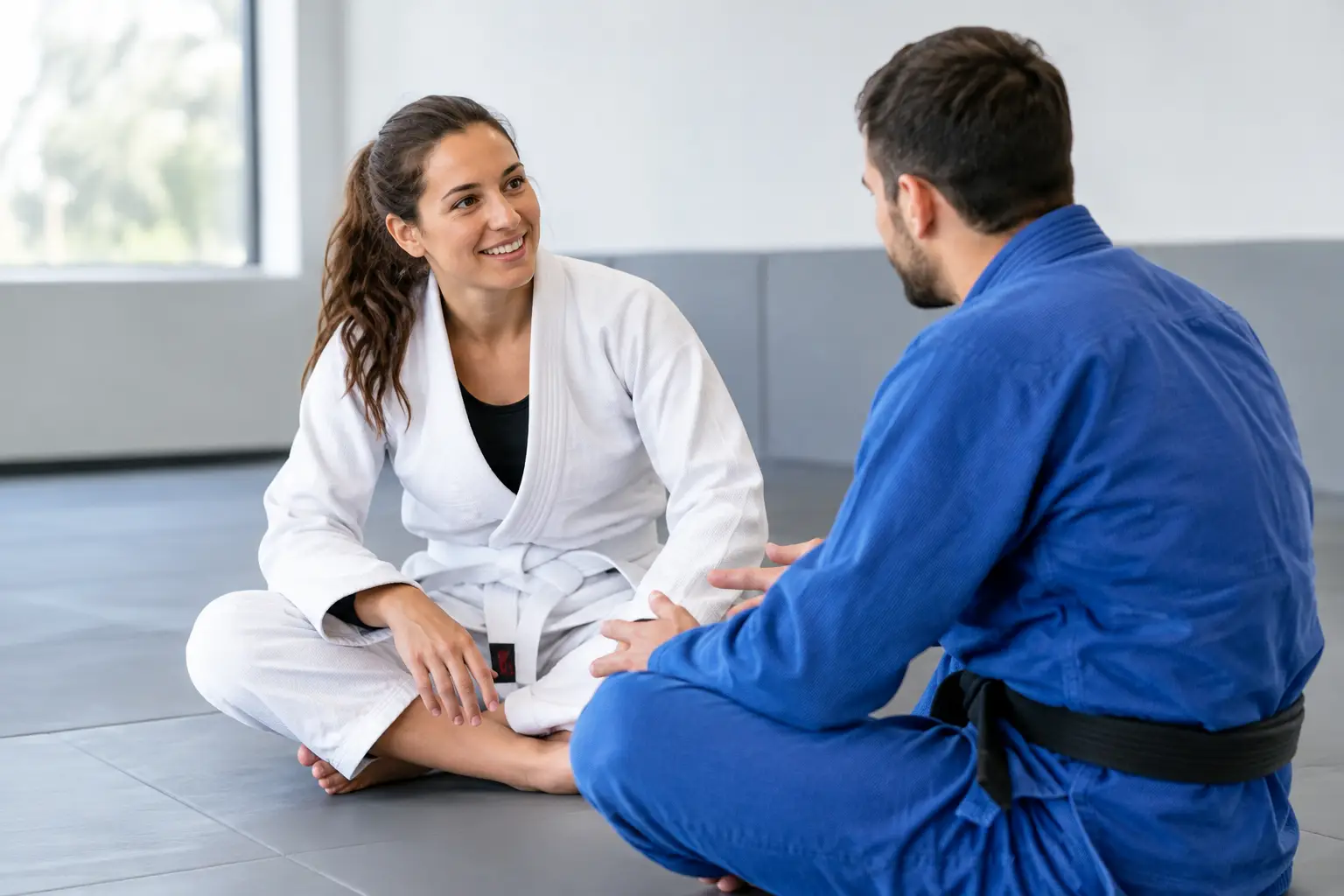
The hardest part of beginning Brazilian Jiu-Jitsu is often walking through the door. People searching for “Jiu-Jitsu classes for adults beginners” are rarely looking only for a workout. They want to feel stronger, learn practical self-defense, manage stress, and prove to themselves that they can start something challenging - even if they have not trained in years.
You do not need to be flexible, athletic, young, or experienced to begin. You need a coachable mindset, a quality academy, and the willingness to be a beginner for a while. That is where real progress starts.
Why Brazilian Jiu-Jitsu Works for Adult Beginners
Brazilian Jiu-Jitsu is a martial art built around leverage, positioning, timing, and control. Rather than relying only on speed or power, students learn how to manage distance, escape bad positions, maintain balance, and apply techniques with purpose. That makes it especially valuable for adults who want a skill they can continue developing for years.
The physical benefits are real. Regular classes improve cardiovascular conditioning, mobility, coordination, grip strength, and body awareness. But many adults notice the mental benefits first. For one hour, your attention has to stay on the mat. Work messages, traffic, deadlines, and everyday pressure get quieter because your mind is focused on the next movement.
Jiu-Jitsu also teaches calm decision-making under pressure. You will occasionally feel uncomfortable or stuck during training. With safe instruction and controlled practice, you learn to breathe, assess the situation, and work toward an answer instead of panicking. That composure carries into life far beyond the academy.
What to Expect at Your First Adult Jiu-Jitsu Class
A good first class should feel structured, not intimidating. You may see experienced students training nearby, but your first session is not a test of toughness. It is an introduction to the environment, the basic positions, and the training culture.
Most adult Gi classes begin with a warm-up designed to prepare the body for movement on the ground. You may practice shrimping, bridging, technical stand-ups, or light mobility drills. These movements can feel unfamiliar at first, which is completely normal. They become more natural with repetition.
You Will Learn Before You Spar
The instructor will generally demonstrate a technique, explain the details, and pair students to practice it at a controlled pace. Beginner techniques may include how to maintain a strong base, escape from underneath an opponent, pass the guard, or apply a simple submission safely.
Live sparring, often called rolling, depends on the academy and the class format. Some beginners begin with positional drills before full rounds. Others roll lightly with experienced partners who know how to train responsibly. You should never be pressured to go at a pace that ignores your safety or level of experience.
A respectful partner is one of the best parts of Jiu-Jitsu. You will train with people of different sizes, ages, and goals, but the shared responsibility is the same: help each other improve while keeping training safe.
What to Wear and Bring
For a trial class, comfortable athletic clothing is usually enough if a uniform is not provided. Avoid clothing with zippers, loose pockets, or anything that can scratch a training partner. Bring water, arrive with clean hands and trimmed nails, and let the instructor know about any injuries or physical limitations.
You do not need to buy expensive gear before your first class. Start by seeing whether the academy’s coaching style, schedule, and community are right for you. A quality program will help you understand what equipment you need as you progress.
How Often Should Beginners Train?
For most adults, two classes per week is an excellent starting point. It gives you enough repetition to remember techniques and build confidence without making your body feel overwhelmed. One class per week can still create progress, especially if your work or family schedule is demanding, but the learning curve will be slower.
Three sessions per week can work well once your body adapts and recovery is solid. More is not automatically better. A professional with long workdays, a parent managing a busy household, and a former athlete returning to exercise may all need different schedules.
Consistency matters more than a short burst of motivation. Two classes every week for six months will build far more skill, conditioning, and confidence than training daily for two weeks and disappearing because you pushed too hard.
Is Jiu-Jitsu Safe for Adults Starting Later?
Any physical activity carries some risk, but Brazilian Jiu-Jitsu can be trained intelligently at nearly any adult age. The key is controlled instruction, responsible partners, and a culture that values technique over ego.
Beginners should tap early when a submission is applied, communicate clearly, and avoid trying to muscle through every position. Tapping is not losing. It is how students train safely, learn the lesson, and return for the next round.
If you have a prior injury, tell your coach before class. A thoughtful instructor can provide modifications and help you choose training partners carefully. You may need to limit certain movements while recovering, and that is fine. Long-term progress is the goal.
At Winners Jiu-Jitsu Academy, adults are guided from their first fundamentals through personal, fitness, self-defense, or competitive goals under a system shaped by world-class coaching. The standard is high, but beginners are not expected to know everything on day one. They are expected to show up ready to learn.
Choosing the Right Jiu-Jitsu Academy
The best academy is not simply the closest one or the one with the toughest-looking room. Look for clear beginner instruction, clean facilities, organized classes, and coaches who pay attention to new students. You should feel challenged without feeling ignored.
Observe how advanced students treat newcomers. A strong academy can have serious competitors and still be welcoming to a first-time adult. In fact, that balance is often a sign of a healthy culture. High standards and encouragement should exist together.
Ask yourself whether the schedule is realistic for your life. An excellent program only helps if you can attend consistently. For adults in Sunny Isles Beach and the surrounding Miami-Dade and Broward communities, proximity matters, but so does finding a place where training becomes a positive part of the week rather than another obligation.
The Confidence Comes From Staying With It
Your first few classes may leave you tired, confused, and surprised by how much there is to learn. That does not mean you are behind. Every black belt once struggled with basic movements, forgot techniques, and wondered whether they belonged.
Progress in Jiu-Jitsu is not always dramatic. Sometimes it is remembering a grip you missed last week. Sometimes it is staying calm underneath pressure. Sometimes it is having the confidence to attend class after a difficult day instead of skipping it.
Over time, the mat becomes a place where effort has visible results. You become more capable, more disciplined, and more comfortable facing discomfort. Those are the qualities that build champions in training and in life.
Your first class does not require perfection. It only requires the courage to begin, the patience to learn, and the decision to return.