
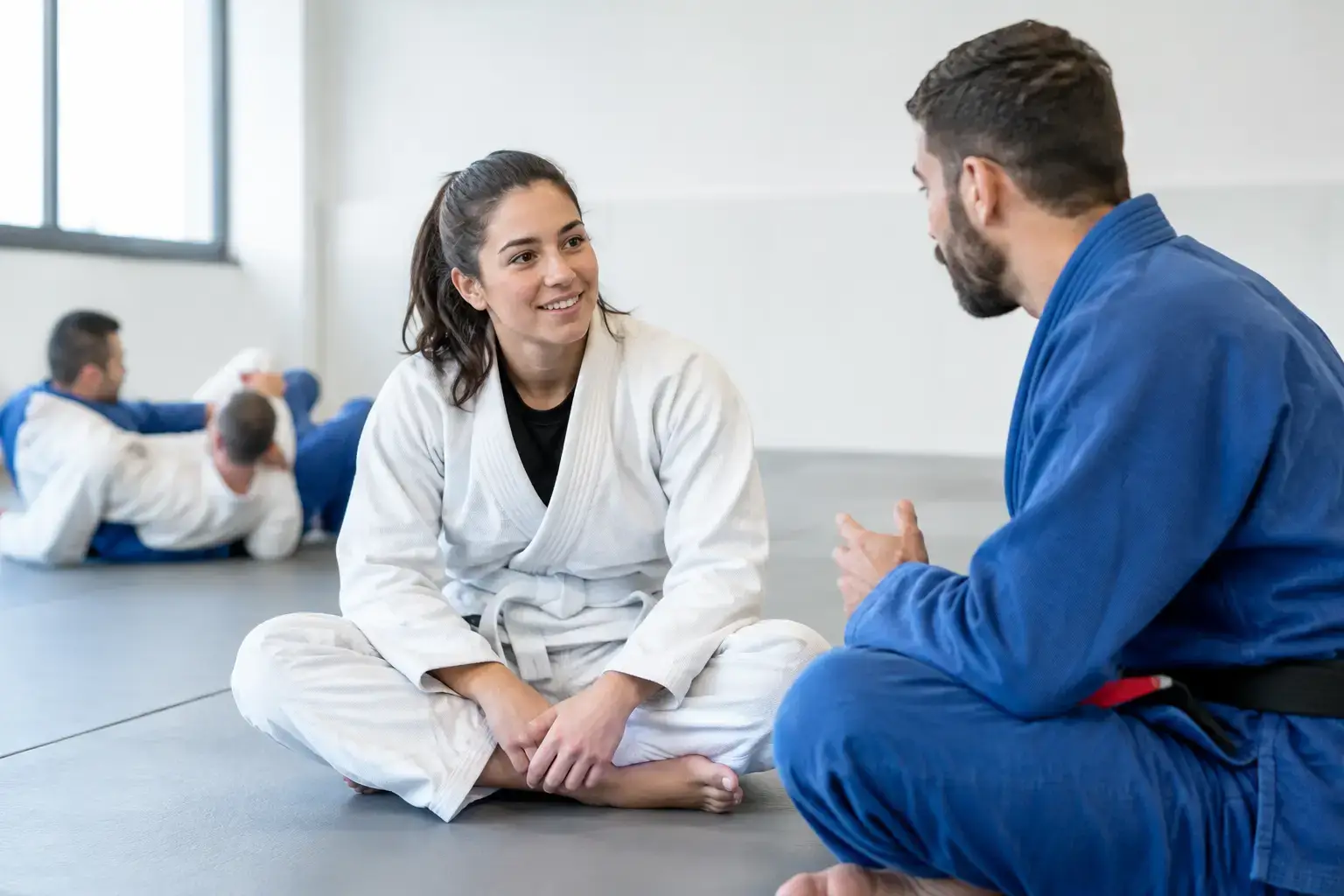
Your first few weeks on the mat can feel like drinking from a fire hose. You are learning how to fall safely, move from one position to another, defend submissions, and stay calm when someone is applying pressure. The question of how often train Jiu-Jitsu beginner is not about proving how tough you are. It is about building enough consistency to improve while giving your body and mind time to recover.
For most adults, two to three Brazilian Jiu-Jitsu classes per week is the strongest starting point. It creates momentum without turning soreness, schedule conflicts, or burnout into reasons to quit. The best training frequency is the one you can maintain long enough to become confident, capable, and hard to shake under pressure.
How Often Should a Jiu-Jitsu Beginner Train?
If you are brand new to BJJ, start with two classes per week for your first month. That rhythm gives you time to absorb the fundamentals and return fresh enough to practice them properly. You will likely feel muscles you did not know you had, especially after drilling takedowns, escapes, guard work, and controlled sparring.
After three to six weeks, many beginners are ready to add a third weekly class. Three sessions per week is a sweet spot for people whose goals include noticeable fitness gains, faster technical development, self-defense confidence, or eventual belt progression. You see techniques often enough that they begin to connect, rather than feeling entirely new each time.
Training once a week is still worthwhile, particularly for busy professionals, parents, or anyone returning to exercise after time away. You will learn and benefit from the practice, but progress tends to feel slower because each class begins with more review. If once per week is all your schedule allows, stay consistent and use a few minutes at home to review positions, movement, or training notes.
Four or more classes a week can work well for a healthy beginner with solid recovery habits and a serious competitive goal. It is not automatically better. More mat time only helps when you can train with attention, protect your joints, sleep well, and avoid turning every round into a battle. A beginner who trains three smart sessions weekly often progresses further than someone who trains six times, gets injured, and disappears for a month.
The Right Schedule Depends on Your Goal
People walk into a Jiu-Jitsu academy for different reasons. Your training plan should reflect what you want from the experience.
If your priority is fitness, stress relief, and learning practical self-defense, two or three classes each week is excellent. Jiu-Jitsu challenges your conditioning while giving your mind a focused break from work, screens, and daily pressure. You do not need to train like a full-time athlete to feel stronger and more composed.
If your goal is to compete, three to five weekly sessions may eventually make sense. First, build a base of safe movement, positional understanding, and controlled rolling. Competitive training asks more from your body and your mindset, so the volume should increase gradually under the guidance of experienced coaches.
For adults starting in their 30s, 40s, or 50s, recovery deserves just as much respect as ambition. There is no prize for ignoring a sore shoulder, stiff neck, or nagging knee pain. Consistency over years beats one intense month every time. Choose a schedule that allows you to show up with energy, learn well, and still handle the responsibilities that matter outside the academy.
Why Two to Three Classes Build Better Beginners
Jiu-Jitsu is a skill-based martial art. Conditioning matters, but technique, timing, and decision-making matter more. Beginners need repetition, and they also need space between sessions for the nervous system to process what happened.
At two or three classes weekly, you can revisit key positions before they fade. A mount escape taught on Monday is still familiar when you practice it Wednesday or Saturday. That repetition helps you recognize the position during live training, where the pace is faster and the pressure is real.
This schedule also supports a healthier emotional experience. Every beginner has hard rounds. You will get stuck underneath someone, forget a technique, or tap more often than you expected. Returning regularly teaches one of Jiu-Jitsu's most valuable lessons: stay calm, solve the next problem, and keep going. Confidence is built through those small returns to the mat.
What to Do Between Classes
Rest days are not wasted days. They are part of a disciplined training plan. Sleep, hydration, and regular meals will do more for your recovery than forcing extra workouts when your body is already exhausted.
Light activity can help you feel better between Jiu-Jitsu sessions. Walking, easy mobility work, and basic strength training are useful additions, provided they do not leave you too tired to train safely. Focus on movements that support durable hips, shoulders, core strength, and grip endurance rather than chasing exhaustion.
It also helps to keep a simple training journal. After class, write down one technique, one position that gave you trouble, and one small win. Maybe you remembered to protect your neck during a scramble. Maybe you escaped side control once. These details make progress visible when you are too close to notice it.
Signs You Can Add Another Class
You do not need to wait for a belt promotion to increase your training frequency. Instead, watch how your body responds to your current schedule.
You may be ready for a third class when normal soreness fades within a day or two, you are sleeping well, and you look forward to training rather than dreading it. You should also be able to maintain good attention during drills and controlled sparring. If you are constantly exhausted, frustrated, or nursing pain, adding volume is probably not the answer.
When you add a class, make the new session a learning-focused day. Drill carefully, ask questions, and roll with control. Save your hardest effort for the days when you feel recovered. Training intelligently is a sign of maturity, not a lack of toughness.
Avoid the Beginner Mistake of Going Too Hard
New students often believe they must win every round to improve. That mindset leads to tense movement, poor breathing, and unnecessary risk. Jiu-Jitsu is not about muscling through every problem. It is about learning to use leverage, position, patience, and timing.
Tell your training partners that you are new. Tap early when a submission is tight. Choose partners who can challenge you without making every round chaotic. A supportive academy culture allows beginners to push themselves safely while learning the discipline that creates long-term progress.
At Winners Jiu-Jitsu Academy, beginners are guided through a structured path that respects both their goals and their starting point. Whether you want better fitness, practical self-defense, competition development, or a new challenge that strengthens your confidence, the goal is not to overwhelm you. It is to help you return to the mat prepared to improve.
A Sustainable First-Month Plan
For your first two weeks, attend two classes weekly and give yourself at least one rest day between sessions when possible. Focus on showing up, learning academy etiquette, and moving safely. You do not need to memorize every detail.
During weeks three and four, remain at two sessions if you are still very sore or adjusting to a new fitness routine. If you feel good, add a third class. Keep the goal simple: learn one or two ideas from each session and leave healthy enough to come back.
The strongest Jiu-Jitsu journey is rarely built by a dramatic start. It is built by the person who keeps training through busy workweeks, difficult rounds, and the awkward early stage when nothing feels natural yet. Start with a schedule you can honor, trust the process, and let each class make you a little more capable than the last.