
Can a 3-Year-Old Start Brazilian Jiu-Jitsu?
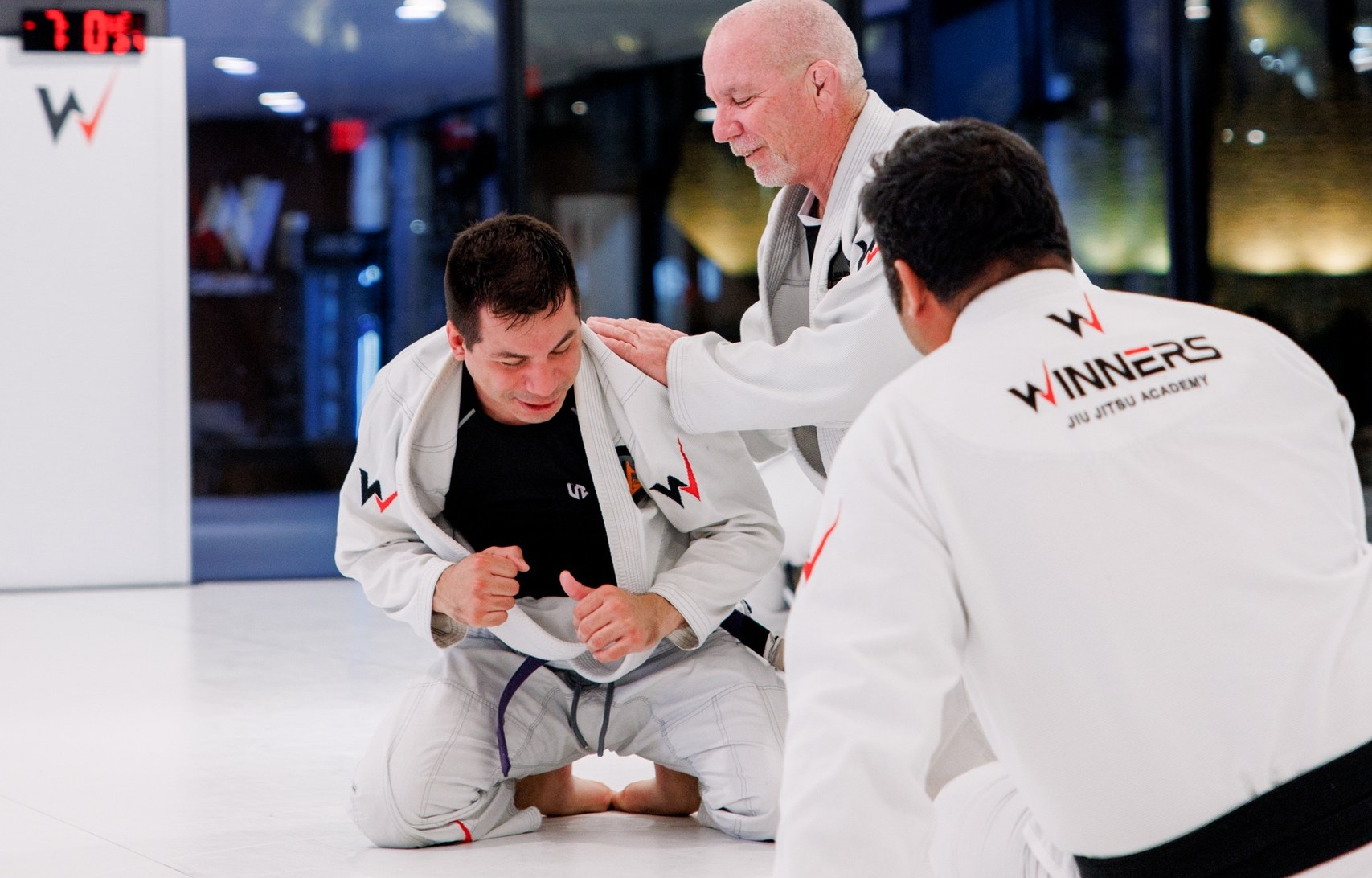
Three can feel very young for martial arts. Parents picture older children learning holds and practicing takedowns, then wonder what a preschooler could possibly do in a Jiu-Jitsu class.
The useful question is not whether a three-year-old can learn adult techniques. It is whether the program is designed for the way children that age move, listen, play and learn. At Winners Jiu-Jitsu Academy in Sunny Isles Beach, there is a dedicated program for ages 3 to 4.
What does Jiu-Jitsu look like at age three?
A preschool class should be very different from an adult class. Young children are still developing coordination, attention and the ability to follow a routine. Age-appropriate exercises can introduce basic movement patterns and listening skills without expecting technical perfection.
Games and simple partner activities can make unfamiliar movements easier to understand. A good starting point is helping children learn where to stand, when to listen and how to share the training space safely.
Why the age group matters
A twelve-year-old has different attention and physical abilities from a three-year-old. Mixing them into the same expectations would make little sense. When considering a program, look for the age range and ask what a normal class involves.
Winners separates its kids offerings into groups for ages 3 to 4, 5 to 7 and 8 to 12. Parents can begin with the preschool page and then see the other groups as their child grows.
What should parents look for?
Observe whether the instructor explains activities in language young children can understand. Notice how the group transitions between exercises and whether children are encouraged to listen and take turns.
You can also ask about hygiene, safety rules, uniform requirements and how staff respond when a young child becomes tired or overwhelmed. Those practical details are more meaningful than a promise that a preschooler will advance quickly.
What if my child cannot focus for an entire class?
That concern is common. Three-year-olds are still learning to pay attention to a group activity. Some days they follow instructions easily, while other days they need repeated reminders.
Talk to the instructor about what is typical for the program and what you notice at home. A child should not be compared with older students or pressured to behave like an adult.
How to talk about the first class
Keep the explanation simple. Tell your child that there will be other children, a teacher and games or movements to try. Avoid setting a goal such as winning a match or earning a belt right away.
At the end, ask what was fun or interesting. If your child is hesitant, listen to them and speak with the instructor. The goal is to decide whether this is an enjoyable activity to return to, not to prove anything in one visit.
Trying a preschool Jiu-Jitsu class in Sunny Isles Beach
The Winners age 3 to 4 program page explains the class structure and provides access to the current weekly schedule. You can also contact the academy about a trial and confirm what your child needs to bring.
Starting young should mean starting appropriately. For a family considering martial arts, a first visit is the simplest way to see if the environment feels right.
Questions people often ask
Does a three-year-old need previous sports experience?
No. Parents can ask about the beginner program even if their child has never attended an organized sport.
Is a preschool class the same as an adult BJJ class?
No. Expectations and activities should be appropriate to the child's age and development.
Explore the Winners programs
Read the confirmed Kids Jiu-Jitsu for ages 3 to 4 program and request a visit via free trial class.